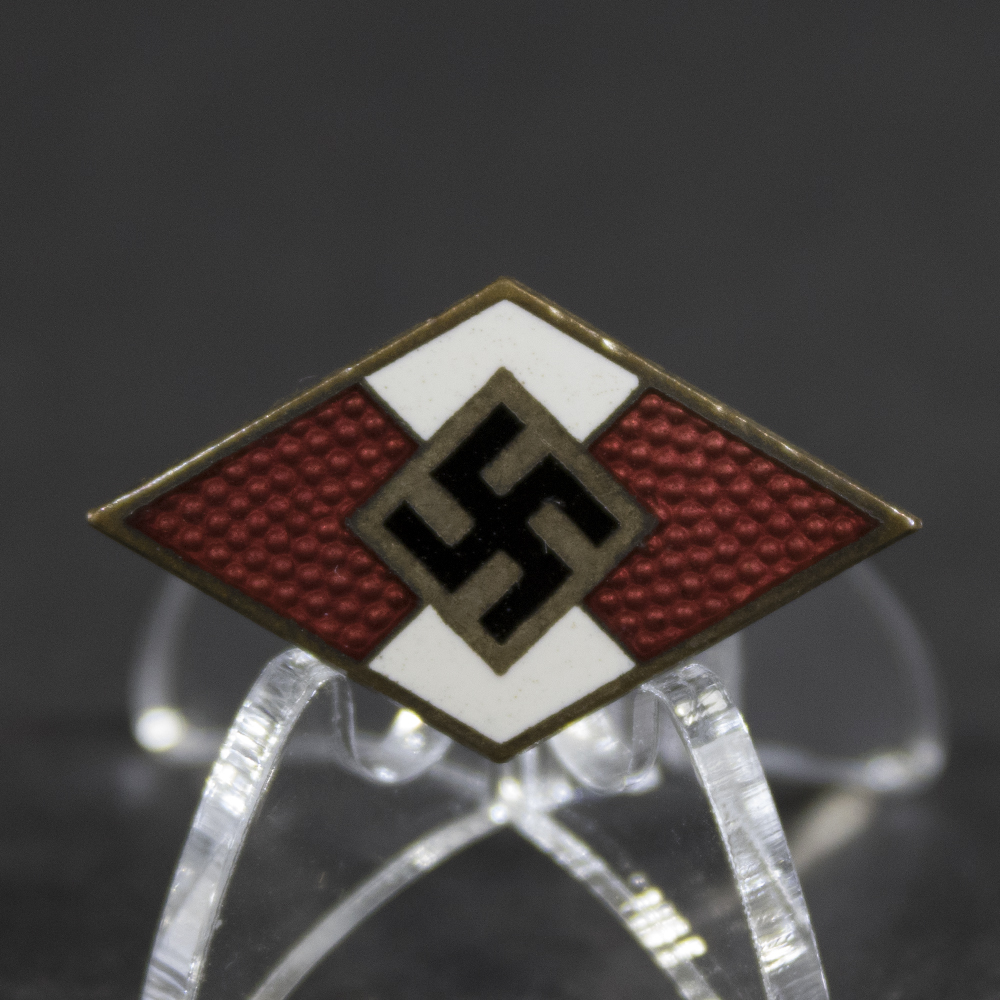
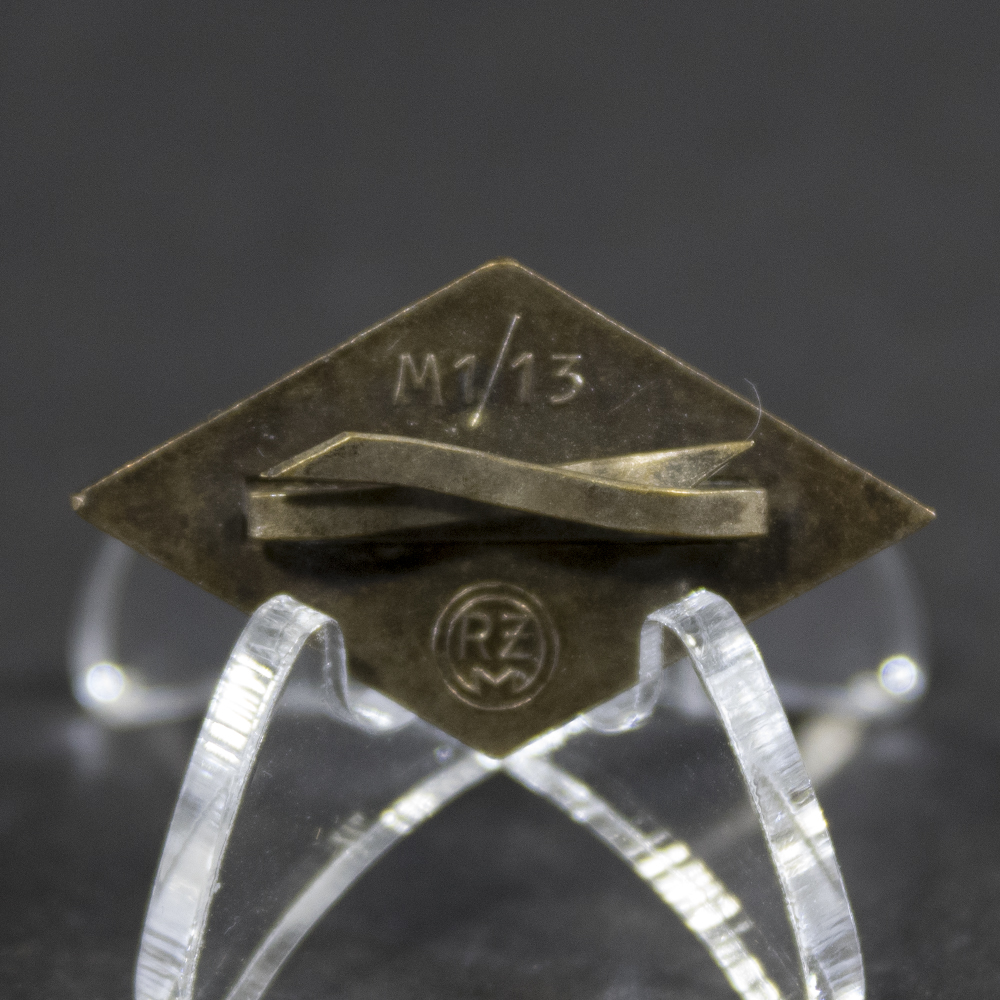
About the item:
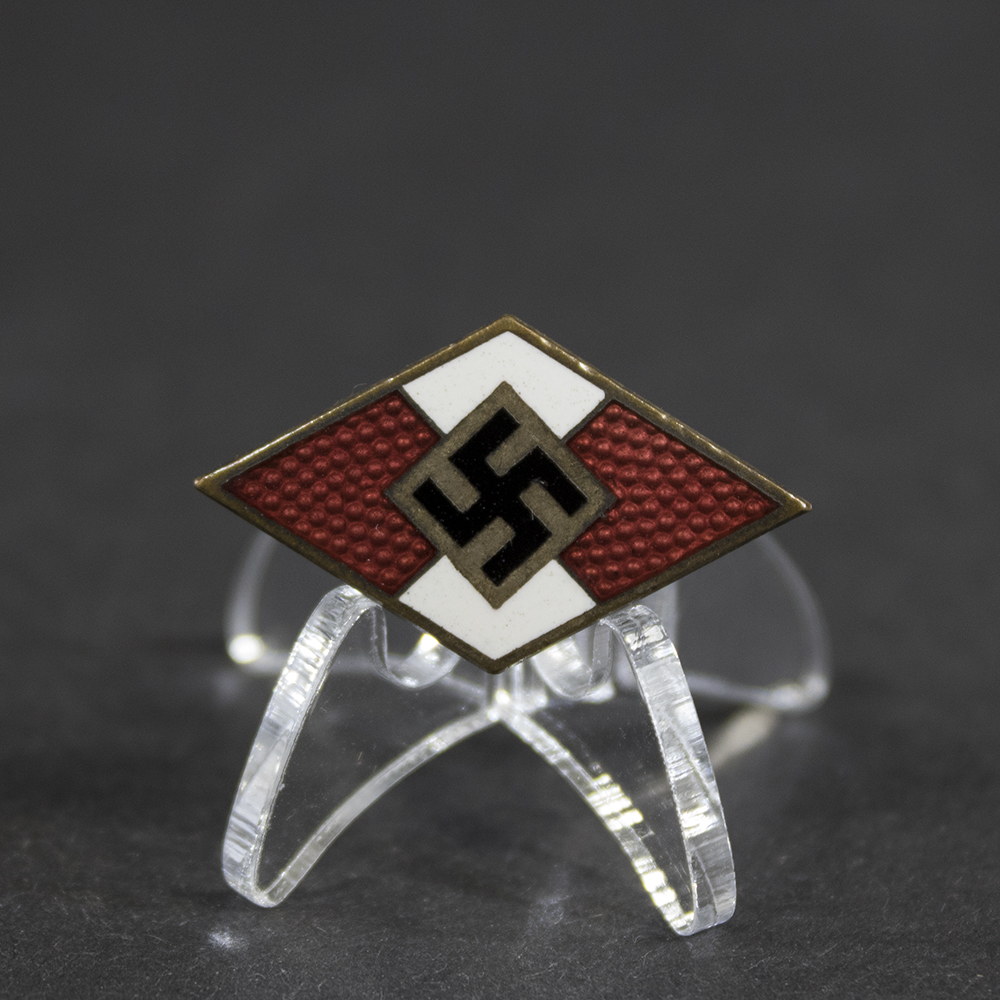
Nice and still in a very good condition (M1/13 Christian Lauer, Nürnberg) marked Hitler Youth Membership badge.
Hitler Youth (Hitlerjugend) in Nazi Germany
The Hitler Youth (German: Hitlerjugend, HJ) was the official youth organization of the Nazi Party, founded in 1922. Initially, it functioned as a small party youth group. However, in July 1926, it was officially renamed Hitler-Jugend, Bund deutscher Arbeiterjugend (Hitler Youth, League of German Worker Youth). From that point on, the organization steadily grew in size and influence.
Structure and Age Groups
The Hitler Youth consisted of several divisions based on age. Most importantly, it included the Hitler Youth for boys aged 14 to 18. In addition, younger boys aged 10 to 13 joined the Deutsches Jungvolk (DJ), or German Youngsters in the Hitler Youth.
At the same time, girls participated in a separate organization known as the League of German Girls (Bund Deutscher Mädel, BDM). Together, these groups formed a complete youth system that reached millions of young people across Nazi Germany.
Role and Ideology
After 1936, the Nazi regime made membership in the Hitler Youth effectively mandatory for boys, making it the only official youth organization in the country. As a result, the organization became a powerful tool for shaping young minds.
The Hitler Youth focused heavily on Nazi ideology, discipline, and loyalty to Adolf Hitler. In addition, it included strong paramilitary elements, such as drills, marching, and physical training. These activities prepared boys for future service in the German armed forces (Wehrmacht).
Importance During World War II
During World War II, the role of the Hitler Youth expanded even further. Members supported the war effort by assisting in civil defense tasks, collecting materials, and helping with logistics. Towards the end of the war, older members even took part in combat as Germany faced increasing military pressure.
Historical Significance
After 1945, the Allied Powers dissolved the Hitler Youth as part of the denazification process. Today, historians study the organization to understand how the Nazi regime influenced and controlled young people. The Hitler Youth remains a key subject in WW2 history, especially in relation to propaganda, education, and youth mobilization in Nazi Germany.