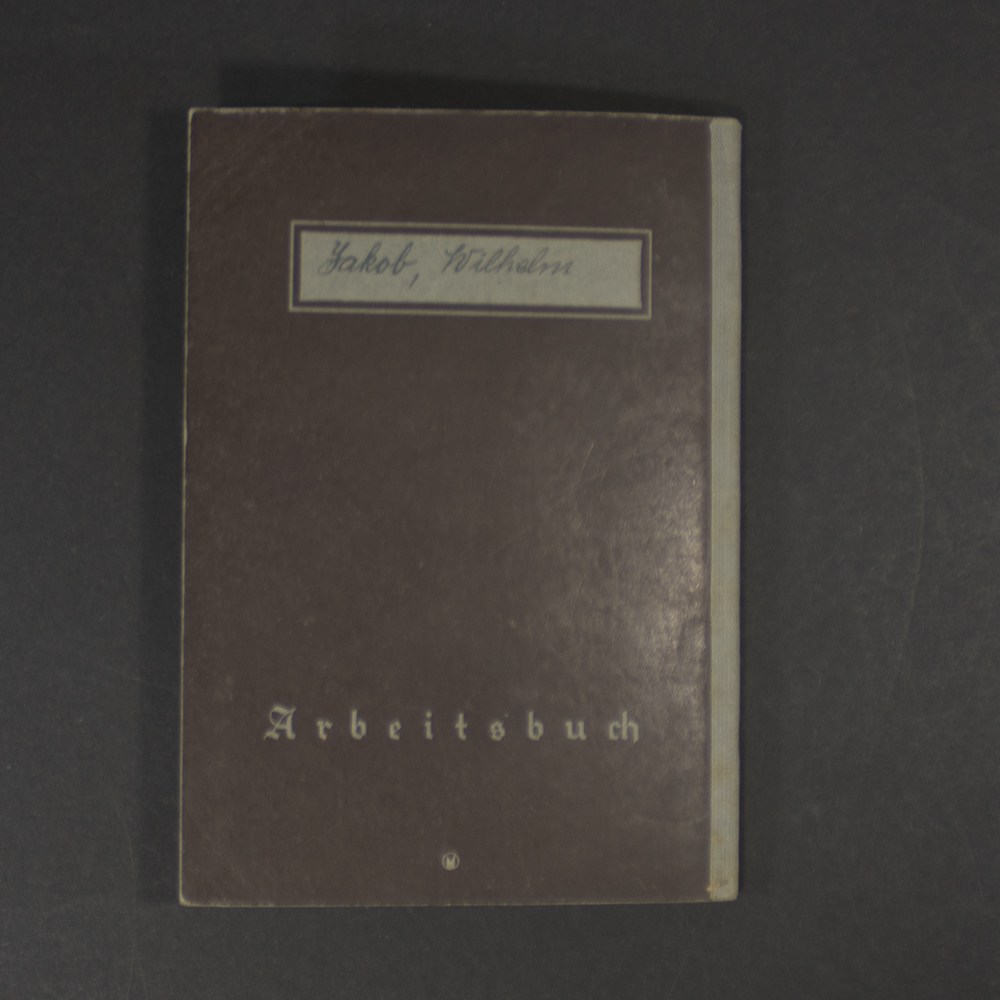
About the item:
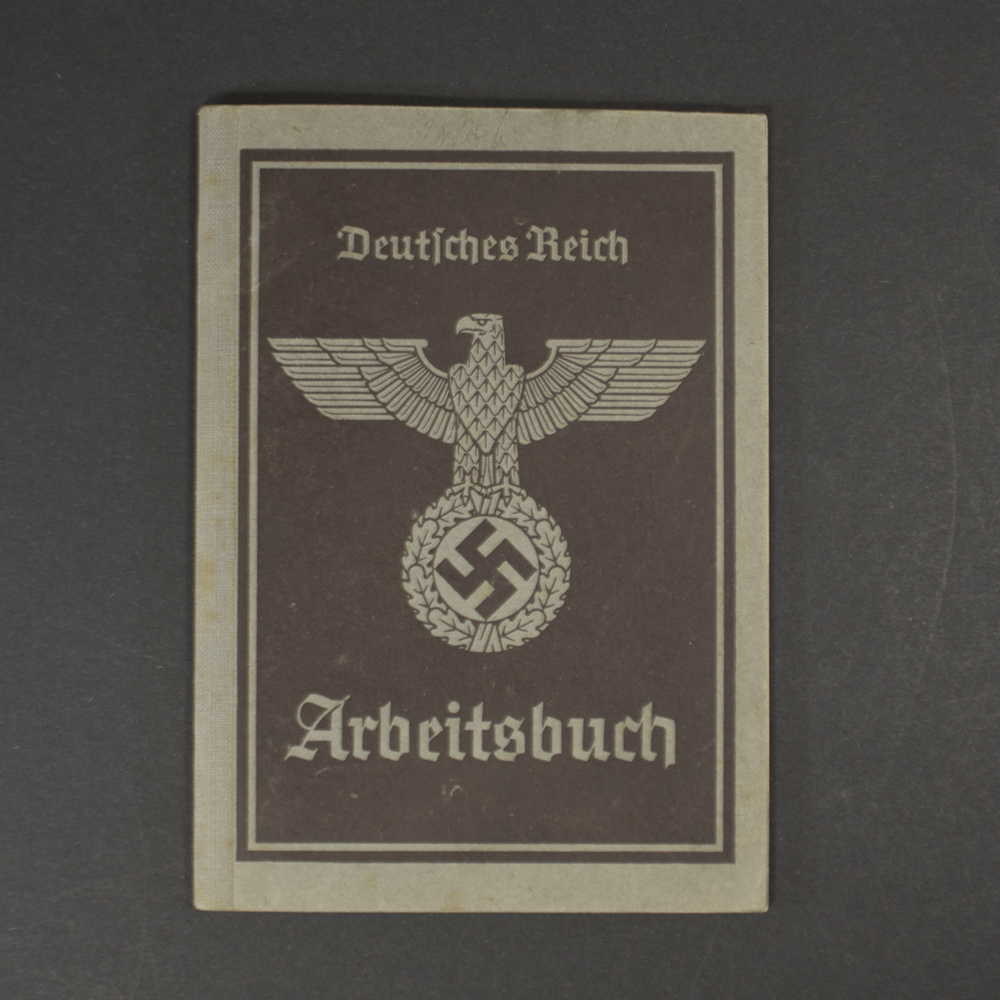
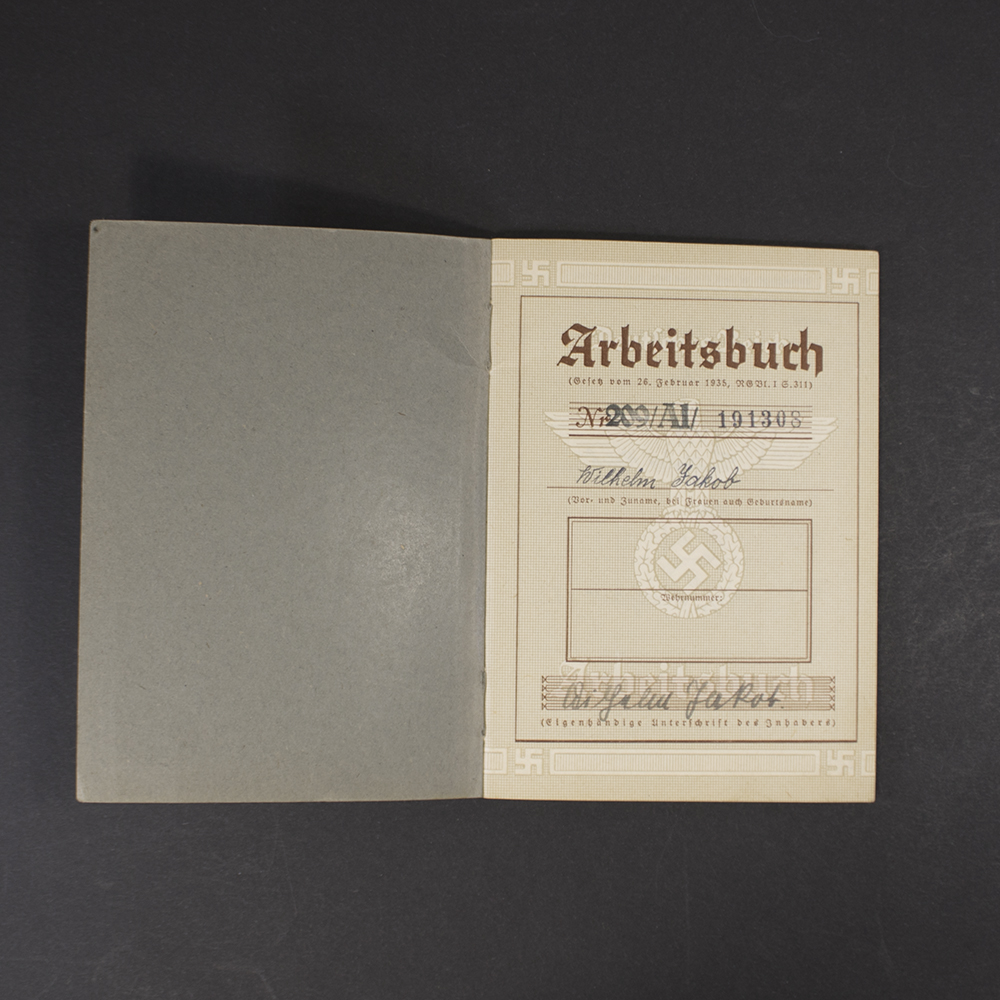
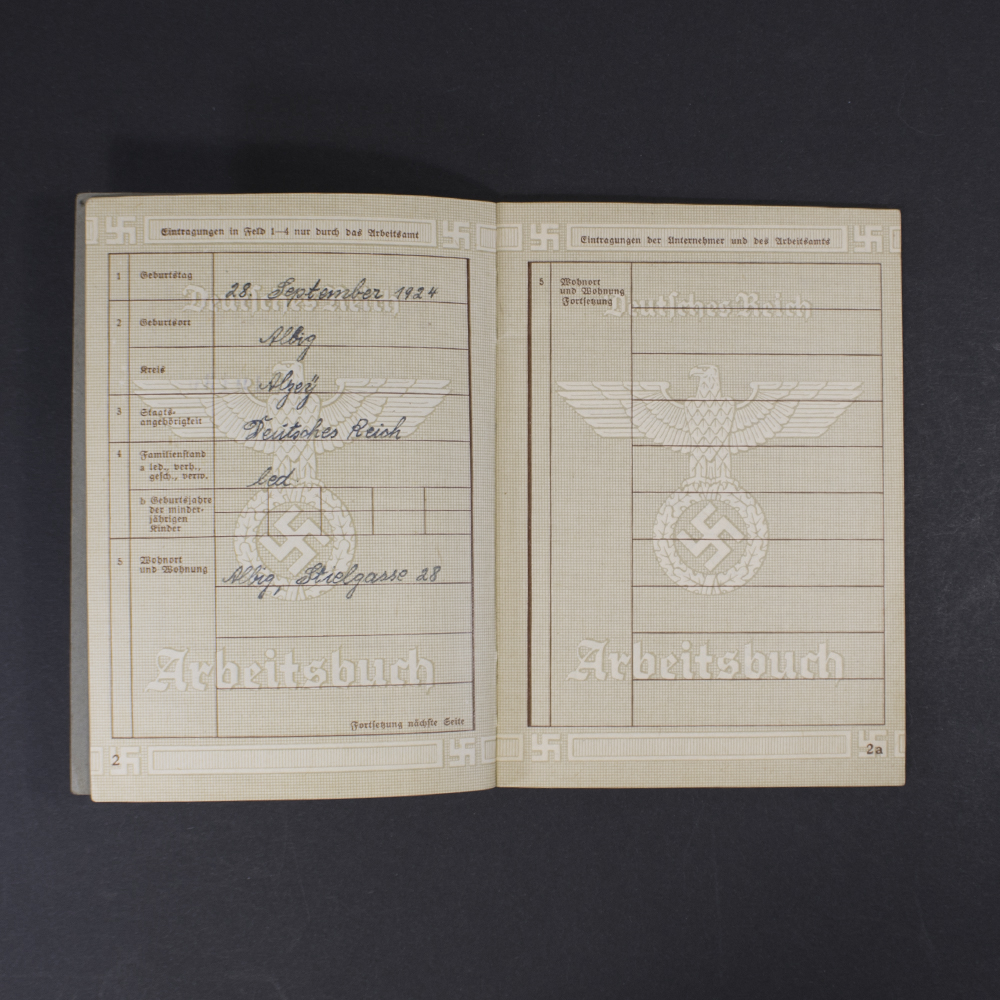
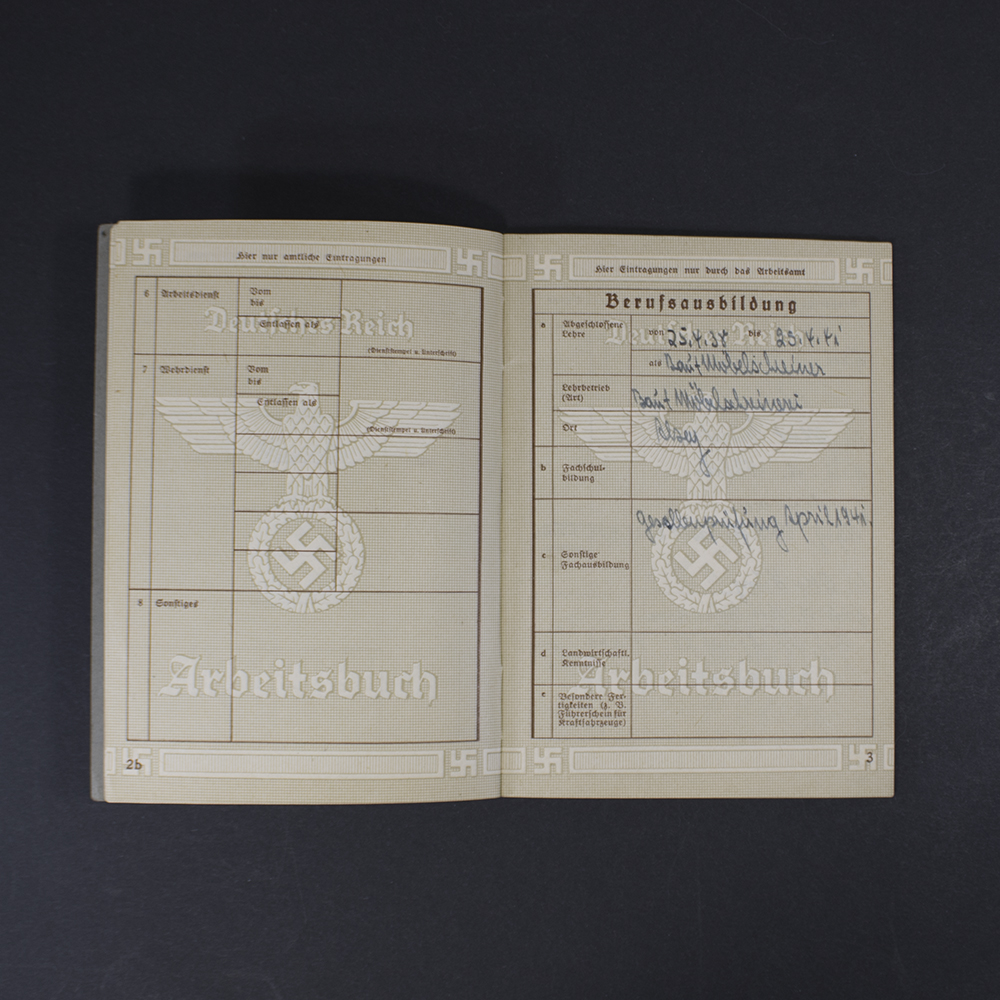
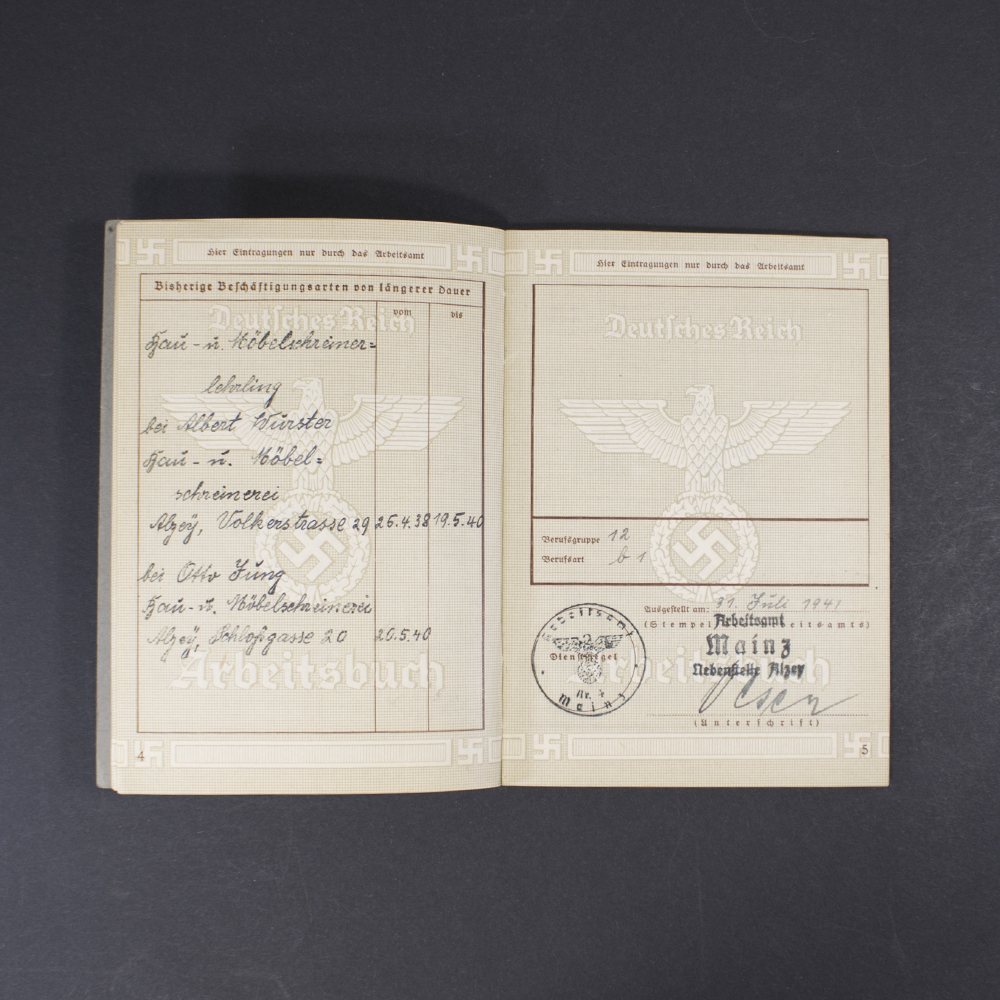
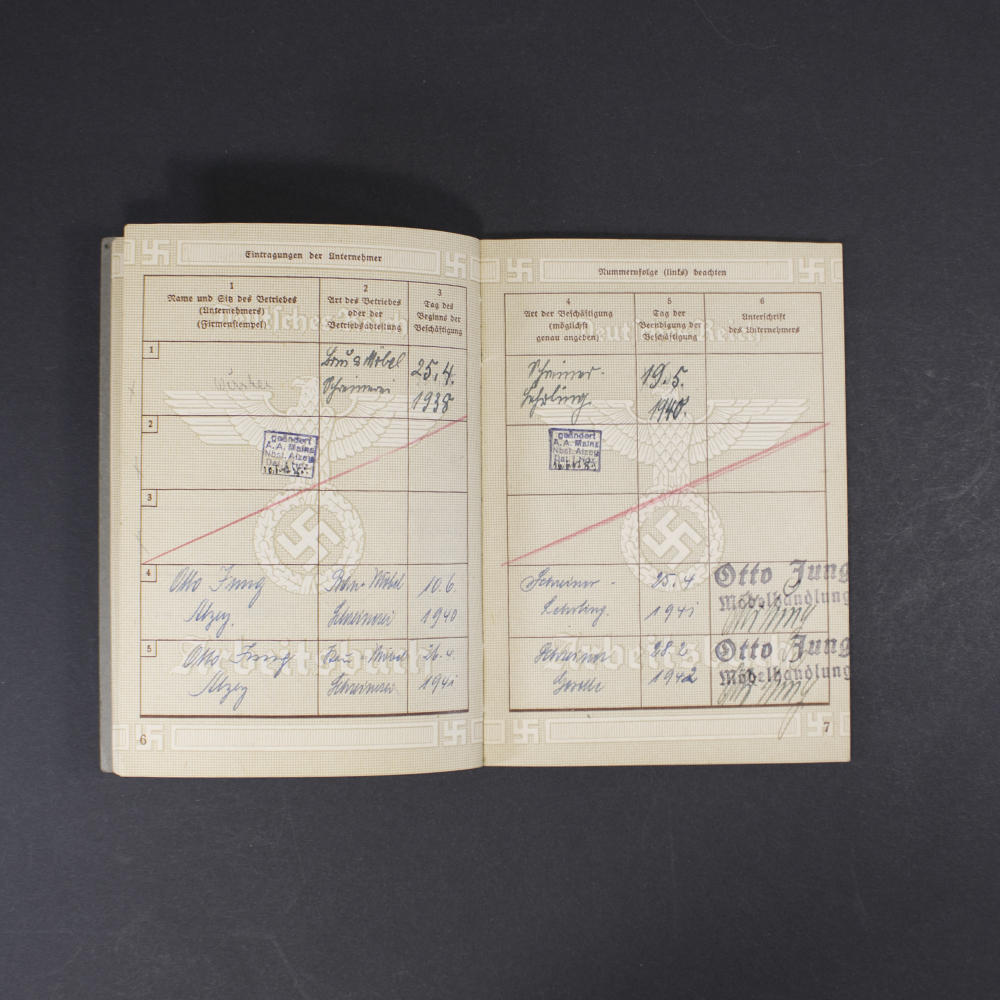
Very nice German labor book 2nd form with some nice entry’s.
Origins of the German Labor Book (Arbeitsbuch)
The German labor book (Arbeitsbuch) played a key role in regulating employment in modern Germany. Initially, the system appeared in the Industrial Code of the North German Confederation. At that time, authorities required young factory workers to carry a labor book. Without it, employers could not legally hire them. As a result, the state gained better oversight of industrial labor.
Later, in 1883, lawmakers expanded this requirement through an amendment to the Industrial Code of the German Empire. This change included not only factory workers but also apprentices in the crafts sector. However, despite several attempts, the government did not succeed in introducing labor books for adult workers during this period.
Labor Books Under Nazi Germany
After the rise of Nazi Germany, the situation changed significantly. From 1935 onward, the regime made the Arbeitsbuch mandatory for adult workers. This measure formed part of a broader effort to control the workforce. In addition, the government used the system to align labor policies with its authoritarian goals.
The WW2 German labor book recorded important personal data, including identity, job history, and professional skills. Consequently, authorities could closely monitor each worker’s career. Workers could not easily change jobs without official approval. Therefore, the system limited personal freedom and strengthened state control over employment.
Function and Historical Significance
Moreover, the Arbeitsbuch became more than just an identification document. It served as a tool for labor tracking, workforce control, and surveillance. The regime used it to manage labor allocation and support wartime production.
After World War II, the Allied Powers abolished the system as part of denazification. Subsequently, Germany replaced it with more democratic labor structures.
Today, original WW2 German labor books (Arbeitsbücher) are valuable historical artifacts. Collectors and historians study them to better understand labor organization and social control in Nazi Germany.