About the item:
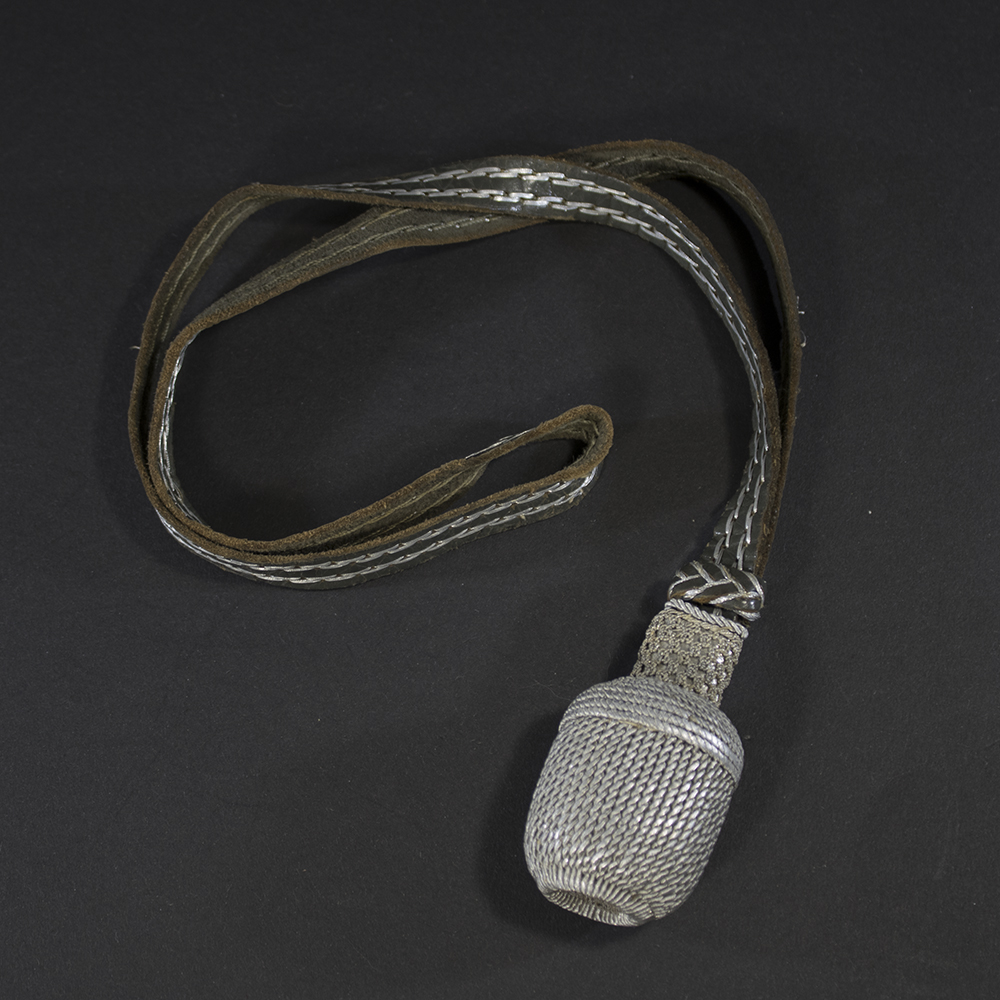
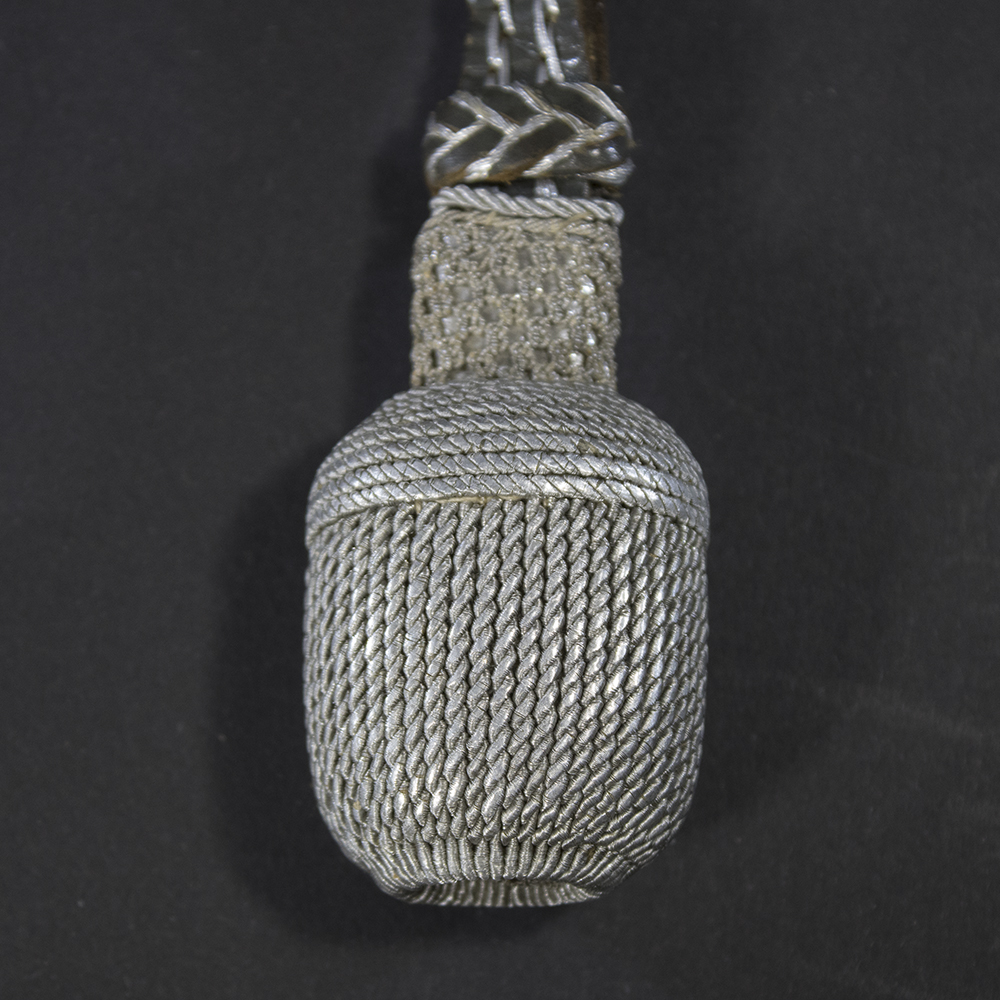
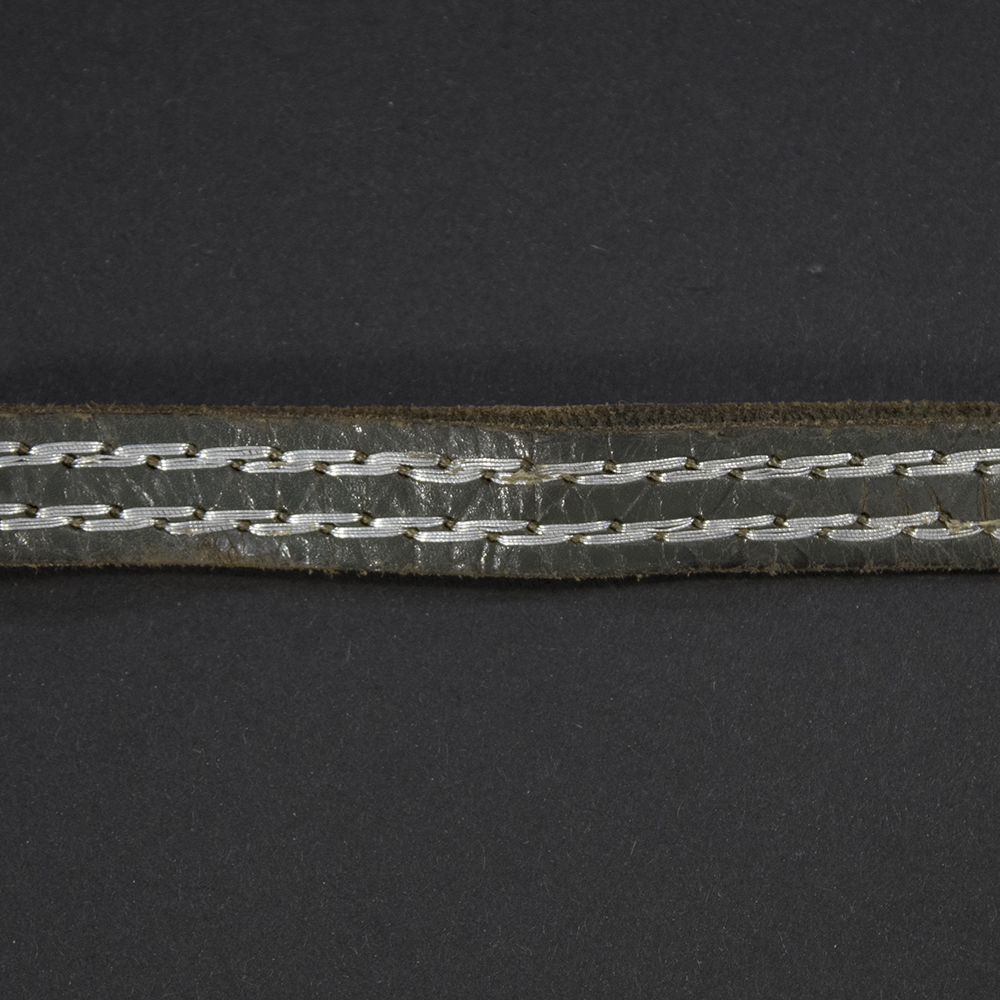
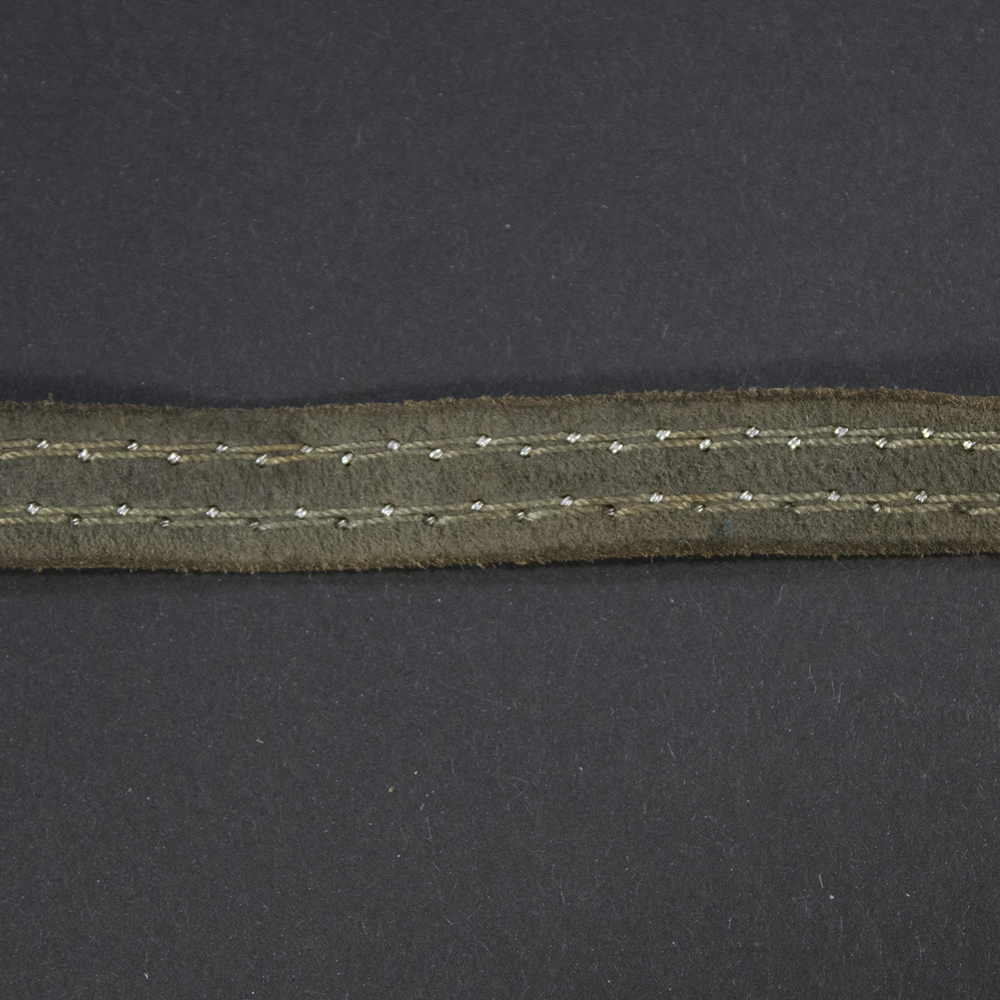
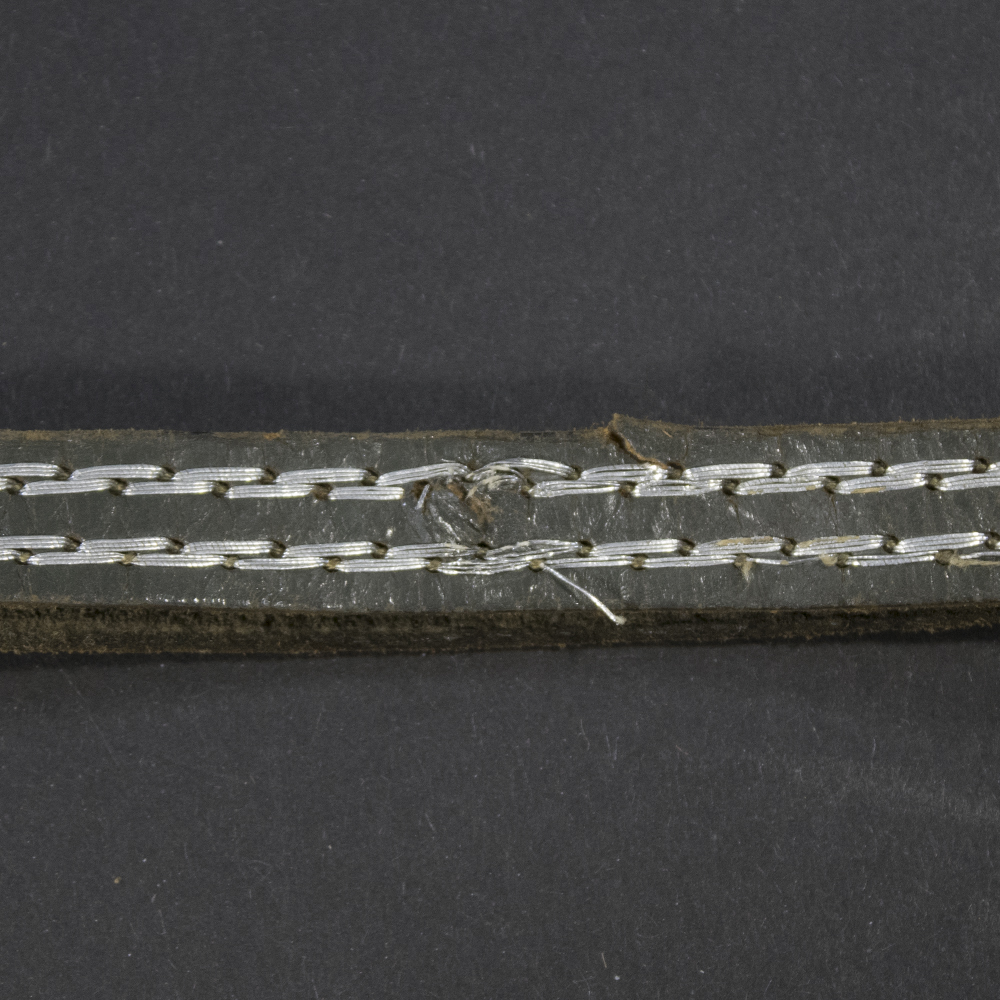
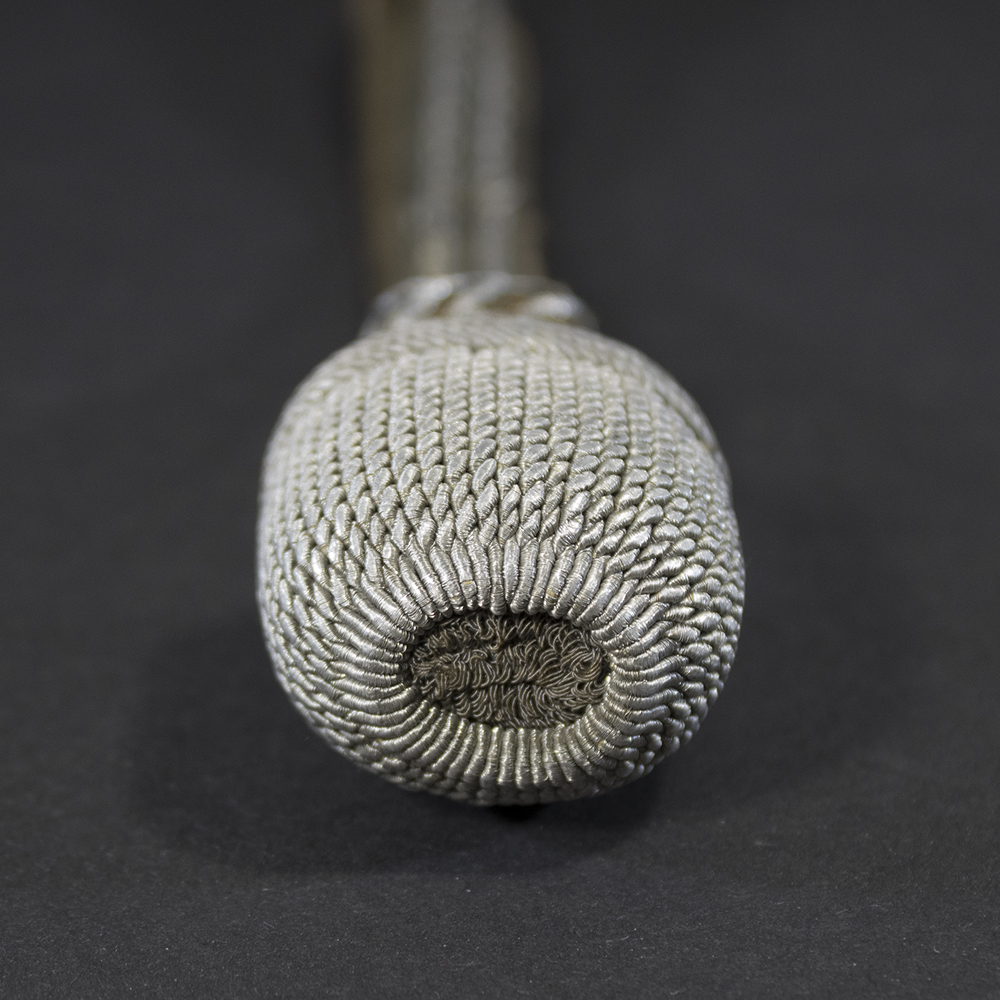
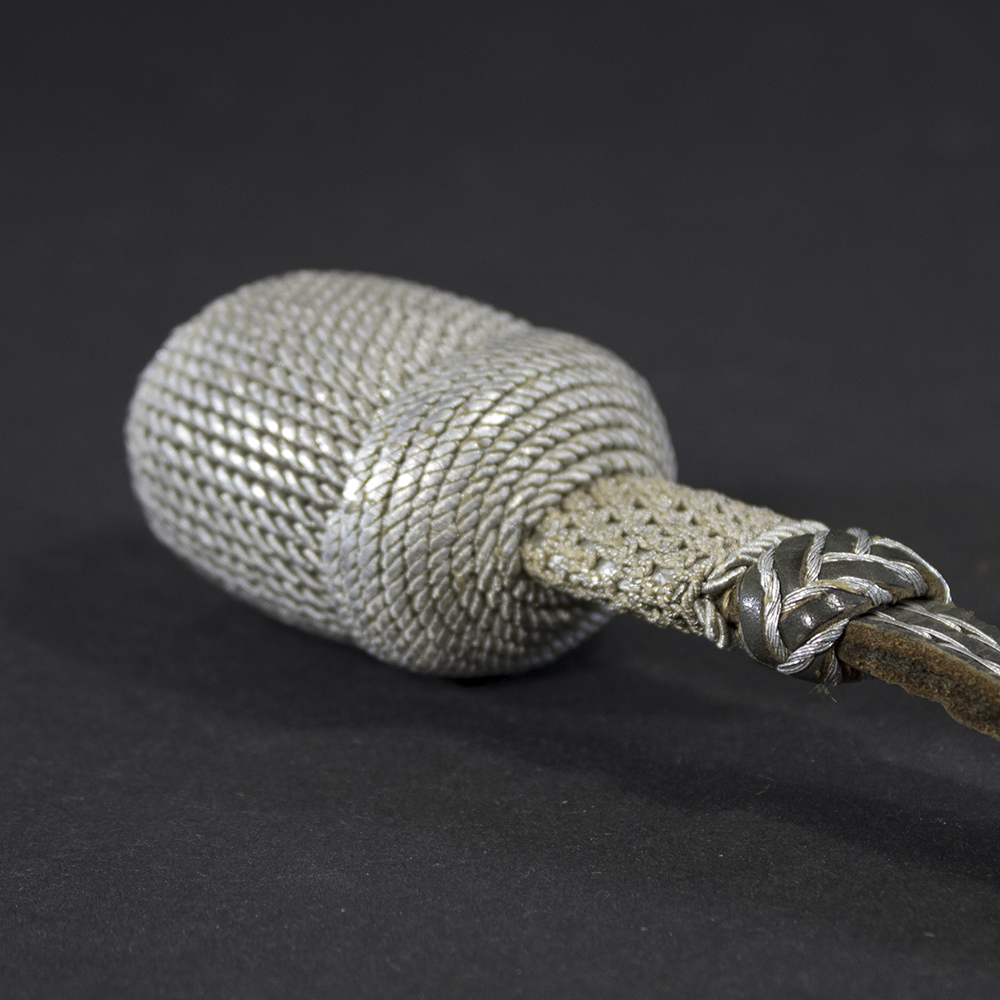
Original Wehrmacht officer’s sword portepee, designed for army sabres (Portepee für Säbel der Offiziere). This is a genuine period replacement piece, ideal for completing or restoring your German WW2 army sword.
The portepee remains in good original condition, with strong colors and minimal wear—perfect for collectors seeking an authentic finishing touch.
About the Wehrmacht:
The Wehrmacht, meaning “defense force,” served as the armed forces of Nazi Germany from 1935 to 1945. It replaced the earlier Reichswehr and marked a major shift in Germany’s military policy under Adolf Hitler. The Wehrmacht included three main branches: the Heer (Army), the Kriegsmarine (Navy), and the Luftwaffe (Air Force). Together, these forces formed the backbone of Germany’s military power during World War II.
Nazi leadership actively expanded and modernized the Wehrmacht as part of a large-scale rearmament program. This buildup openly violated the restrictions set by the Treaty of Versailles, which had limited Germany’s military strength after World War I. Despite these restrictions, the regime rapidly increased troop numbers, improved equipment, and invested heavily in new military technologies.
The Wehrmacht played a central role in Germany’s expansion across Europe. It supported key military campaigns in countries such as Poland, France, and the Soviet Union. These operations helped establish early German victories and extended the influence of the Third Reich. The coordination between the army, navy, and air force allowed Germany to carry out fast-moving and highly organized offensives.
In addition to battlefield operations, the Wehrmacht also supported broader wartime objectives. It helped enforce occupation policies and maintained control in conquered territories. This made it a critical element of Nazi Germany’s overall war strategy.
Today, the Wehrmacht remains an important subject in WW2 history and military studies. Historians continue to examine its structure, operations, and role within the Nazi regime. Understanding the Wehrmacht provides valuable insight into the military history of Nazi Germany, as well as the wider context of World War II.